Industrial plumbing here ain’t like fixing a leaky tap at home – we’re talking about high-pressure steam lines, chemical transfer systems, massive water treatment plants. Been doing plumbing work in Musaffah since the 80s, when most of this industrial area was still being planned out. The heat here destroys regular plumbing fast, and the water quality is brutal on pipes and fittings.
Most plumbing contractors think they can just use standard materials and procedures. Then they wonder why their joints leak after six months, pipes corrode through, and systems fail when you need them most. We learned which materials survive here – stainless steel for chemical lines, proper insulation for hot systems, corrosion-resistant fittings that don’t fall apart.
Industrial facilities need reliable water systems – process cooling, fire protection, chemical handling, and waste treatment. When your plumbing fails, production stops. We handle everything from simple water supply to complex chemical transfer systems that have to work perfectly every day.
Process piping carries the stuff that makes your facility work – cooling water, process chemicals, compressed air, steam, and hydraulic fluids. High-pressure systems can kill people if they fail wrong, so this isn’t something you want amateurs working on.
High-pressure piping includes steam lines up to 150 PSI, hydraulic systems to 3000 PSI, compressed air networks, and process water systems. Different materials for different pressures and temperatures – carbon steel for steam, stainless for chemicals, and specialized alloys for high-temp applications.
Installation includes proper pipe supports for thermal expansion, pressure testing before commissioning, and safety relief systems where codes require them. Welding procedures that meet ASME standards, X-ray testing for critical joints, documentation for insurance and regulatory approval.
Maintenance includes regular pressure testing, valve servicing, leak detection, and repair. Emergency repairs when high-pressure lines fail – usually happens at the worst possible time. We keep common fittings and pipe sections in stock because waiting weeks for parts means your process is down.
Water here is hard, has high mineral content, and comes from desalination plants that put stuff in it you don’t want in your process systems. Water treatment removes what you don’t want and adds what you do need.
Treatment systems include softeners for boiler feed water, reverse osmosis for ultra-pure applications, filtration for suspended solids, chemical feed systems for corrosion control. Different treatment for different uses – cooling tower makeup, boiler feed, process water, drinking water.
Installation includes properly sized equipment for actual water usage, bypass systems for maintenance, sampling points for testing, and chemical storage with proper containment. Piping materials compatible with treatment chemicals, proper drainage for backwash and blowdown.
Maintenance programs include filter changes, resin replacement, chemical tank refills, system monitoring and testing. Water quality testing to verify treatment is working properly. Emergency service when treatment systems fail and you need clean water fast.
Steam systems provide heat for processes, building heating, and humidification. Condensate return systems recover the hot water so you’re not wasting energy making new steam constantly. Steam systems here work harder because of the heat load from outside air.
Steam distribution includes proper pipe sizing for pressure drop, steam traps to remove condensate, expansion joints for thermal movement, and insulation to prevent heat loss. Condensate return pumps, vacuum systems, and flash tanks for high-pressure condensate.
Installation requires understanding steam table calculations, proper trap selection and placement, condensate pump sizing, and return line design. Safety considerations for high-temperature systems, pressure relief protection, and proper drainage.
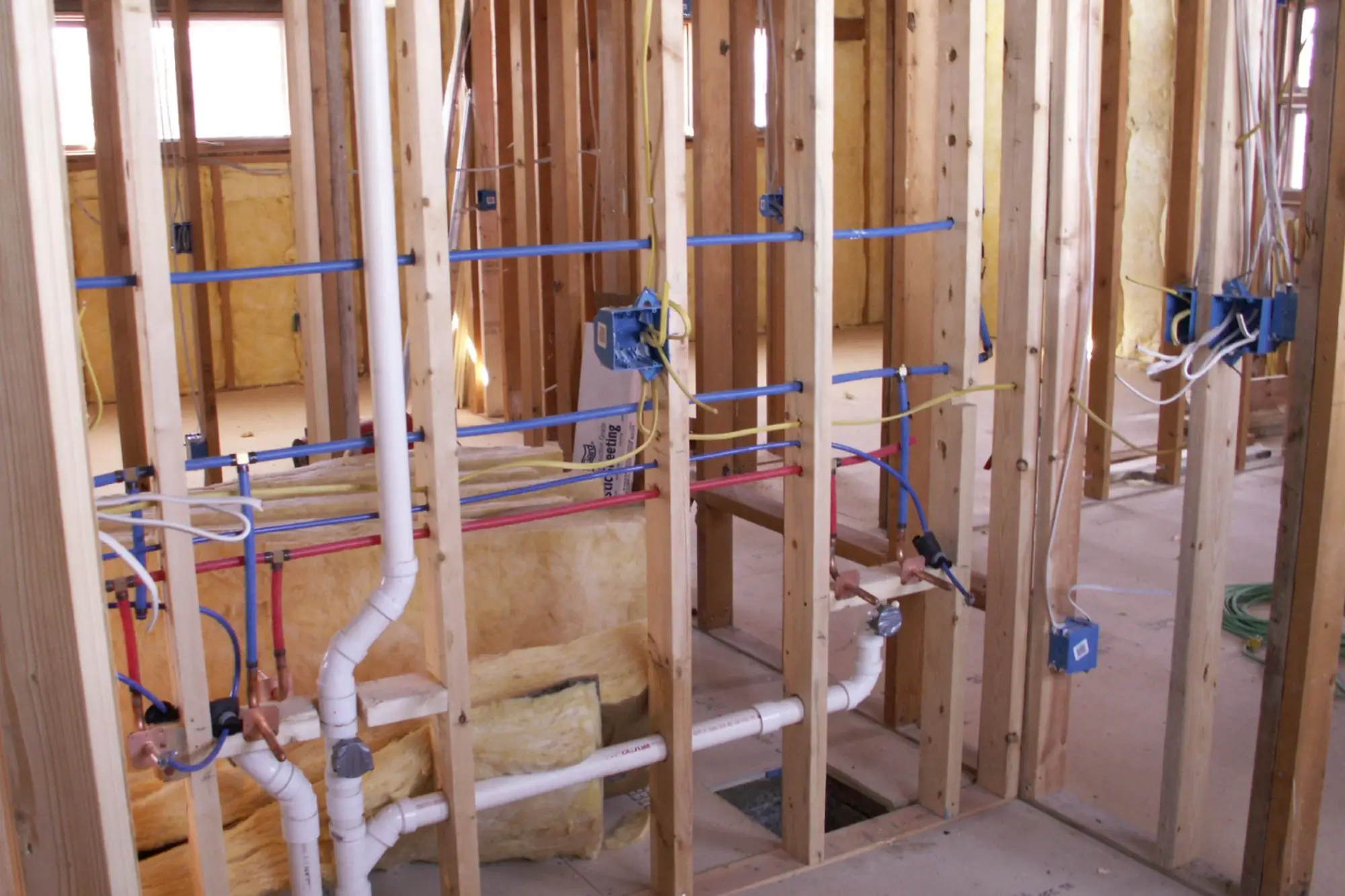
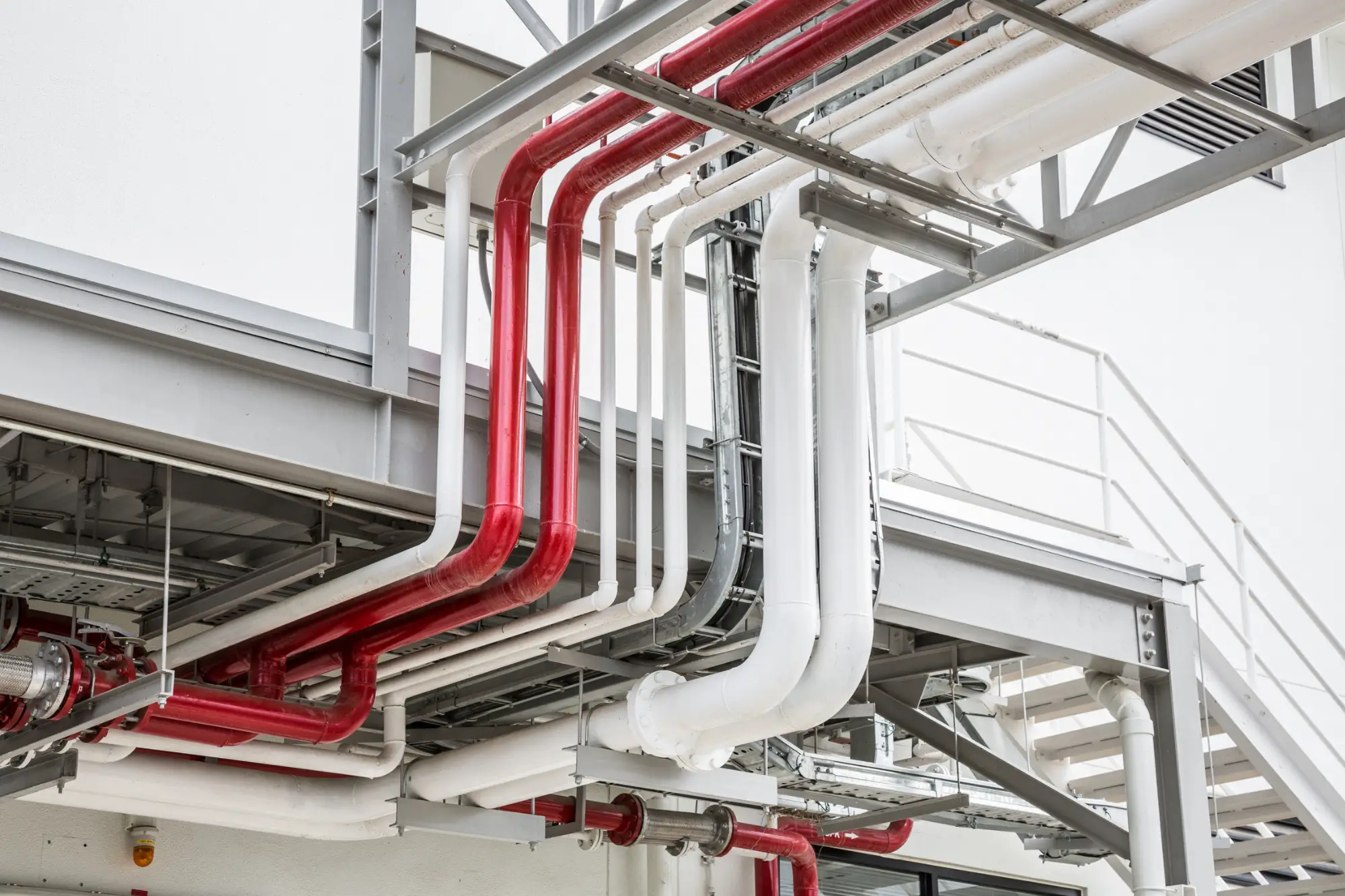
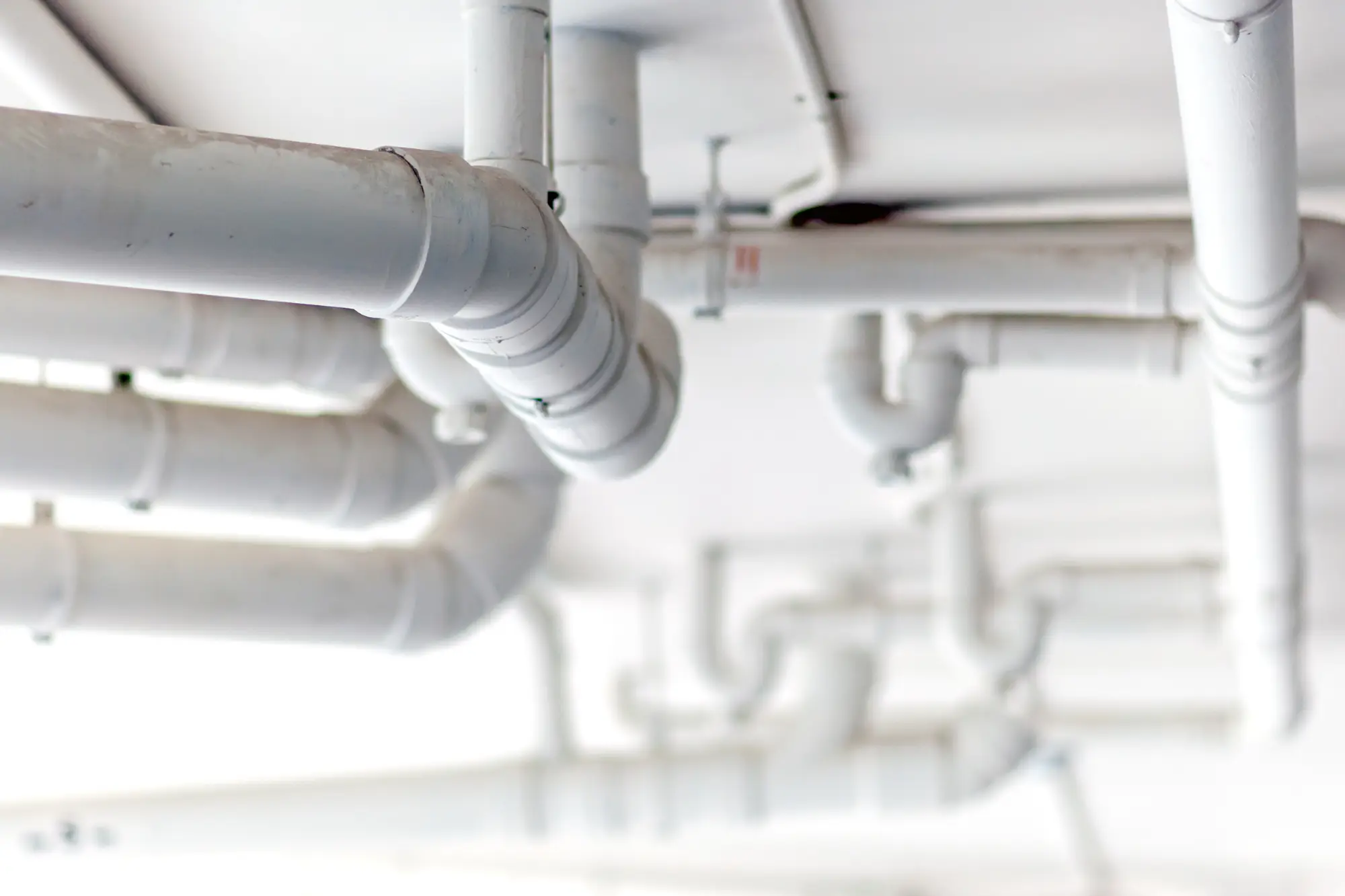
Maintenance includes steam trap testing and replacement, condensate pump service, insulation repair, and leak detection. Steam traps fail regularly here because of the mineral content in the water. Emergency repairs when steam lines fail and your heating or process is down.
Fire suppression saves lives and property when everything goes wrong. Sprinkler systems, deluge systems, foam systems, gas suppression – different systems for different fire hazards. Installation has to meet fire codes exactly or insurance won’t cover you.
Sprinkler systems include water supply analysis, pump sizing, pipe network design, and sprinkler head selection. Wet systems for heated areas, dry systems where freezing is possible, and deluge systems for high-hazard areas. Detection and control systems integrated with facility alarms.
Installation requires certified contractors, approved materials, pressure testing, flow testing, and documentation for fire department approval. Underground water mains, fire pumps, storage tanks, backflow preventers. Connection to city water or dedicated fire water supply.
Testing includes annual flow tests, pump tests, alarm testing, and inspection of all components. Maintenance of fire pumps, sprinkler head replacement, valve exercising. Emergency repairs when fire systems fail during inspection or actual emergencies.
Compressed air is like electricity in industrial facilities – everything uses it. Air compressors make it, distribution networks carry it around, regulation and filtration clean it up for specific uses. Leaks waste huge amounts of energy.
Distribution networks include main headers, branch lines, drops to equipment, regulation and filtration at point of use. Pipe sizing for pressure drop, condensate removal systems, and emergency shutoffs. Different air quality for different uses – instrument air is cleaner than general shop air.
Installation includes proper pipe supports, drainage for condensate removal, shut-off valves for maintenance, and pressure regulation for equipment protection. Materials selection – aluminum pipe for main headers, copper or stainless for instrument air, avoiding galvanized steel that corrodes internally.
Maintenance includes leak detection and repair, condensate drain servicing, filter replacement, and pressure regulator calibration. Compressed air audits to find wasted energy – usually 20-30% of compressed air leaks away through bad fittings and damaged lines.
Chemical systems handle the nasty stuff – acids, caustics, solvents, waste streams that’ll eat through regular pipes. Has to be done right or you’re looking at spills, worker injuries, environmental problems, and huge cleanup costs.
Chemical piping includes proper material selection for chemical compatibility, secondary containment for leak protection, emergency wash stations, and spill containment. Different materials for different chemicals – PVC for acids, polypropylene for caustics, and stainless steel for solvents.
Installation requires understanding chemical compatibility charts, proper support for heavy pipe, leak detection systems, and emergency isolation valves. Ventilation systems for toxic vapors, grounding for static electricity, and labeling for emergency response.
Waste handling includes neutralization systems, collection tanks, transfer pumps, and treatment systems before discharge. Regulatory compliance for waste discharge permits, documentation for environmental inspections, and emergency response procedures.
Large facilities need reliable drinking water systems – employee facilities, cafeterias, emergency wash stations, and cooling for workers. Has to meet health department standards and provide adequate pressure and flow throughout the facility.
Potable water systems include main service lines, distribution throughout facility, pressure boosting where needed, backflow prevention to protect city water supply. Hot water systems for wash facilities, emergency eyewash stations, and water coolers.
Installation includes proper pipe sizing for flow and pressure, insulation for hot water lines, expansion tanks for thermal expansion, and mixing valves for scald protection. Backflow preventers where required by code, water quality testing, documentation for health department approval.
Maintenance includes annual backflow preventer testing, water heater servicing, pipe flushing for water quality, leak detection and repair. Emergency repairs when water systems fail and employees don’t have adequate facilities.
Pumps move water, chemicals, and other fluids around industrial facilities. Proper installation and maintenance keeps them running efficiently and prevents expensive failures. Misaligned pumps destroy themselves fast.
Pump installation includes proper foundation design, alignment procedures, piping design to prevent stress on the pump, electrical connections, and control systems. Suction piping design to prevent cavitation, discharge piping for system requirements.
Alignment procedures using laser equipment for precision, proper coupling installation, and vibration baseline measurements. Pump curves matching system requirements, variable speed drives for efficiency, monitoring systems for predictive maintenance.
Maintenance includes regular alignment checks, vibration monitoring, coupling inspection, and seal replacement. Impeller balancing, wear ring replacement, bearing lubrication. Emergency pump repairs when critical systems fail and you need them back online fast.
All plumbing work includes pressure testing, proper documentation, and emergency support. Materials selected for Abu Dhabi conditions and regulatory compliance. Call +971 2 5557842 for emergency plumbing service in Musaffah and all Abu Dhabi industrial areas.