Flooring here gets beat up worse than anywhere else – forklifts dropping pallets, chemical spills eating through coatings, 50°C heat making things expand and crack. Been installing industrial floors in Musaffah since back when most of this area was still sand. Learned which systems work and which ones fail after six months.
Most flooring contractors use whatever’s cheapest and hope for the best. Then your floor starts peeling, cracking, or staining, and you’re stuck with expensive repairs. We use flooring systems that survive Abu Dhabi’s conditions – heavy traffic, chemical exposure, temperature swings, and all the abuse industrial facilities dish out.
Different facilities need different floors. Electronics places need anti-static systems, food processing needs hygienic surfaces, warehouses need impact resistance. We match the flooring system to what actually happens in your facility, not just what looks good in pictures.
Industrial concrete floors handle the serious abuse – forklifts, heavy machinery, pallet drops, truck traffic. Regular residential concrete won’t cut it in industrial facilities. We install reinforced concrete systems designed for the loads and traffic your facility actually deals with.
Heavy-duty installation includes proper base preparation, steel reinforcement, fiber additives for crack resistance, and surface hardeners for wear resistance. Concrete mix design for local conditions – the heat here affects curing and strength development. Joint layout to control cracking where it won’t cause problems.
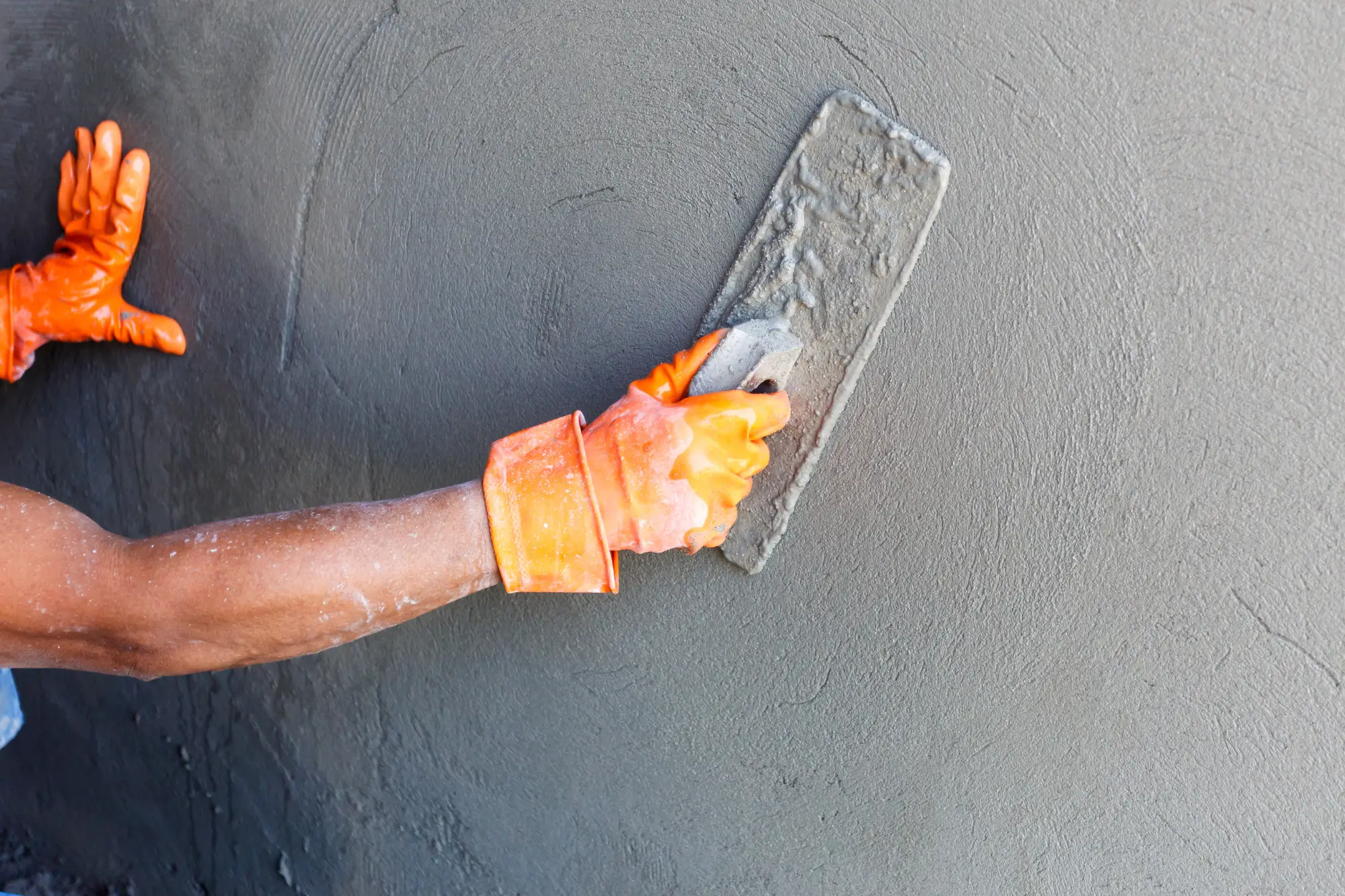
Surface finishing depends on what you need – smooth for easy cleaning, textured for slip resistance, or sealed for chemical resistance. Power floating for dense surfaces, diamond grinding for specific profiles. Curing procedures that work in this climate – can’t just spray water and hope for the best when it’s 45°C outside.
Load capacity design for your specific equipment – some facilities need floors that handle 50-ton crane loads, others just need forklift traffic. Thickness, reinforcement, and joint spacing all depend on actual loading conditions. We design floors that won’t crack under normal use.
Electronics manufacturing can’t handle static electricity – one spark ruins expensive components or causes fires. ESD flooring systems dissipate static charges safely to prevent damage and safety hazards.
Anti-static flooring includes conductive additives in coatings, grounding systems connected to facility electrical ground, resistance testing to verify performance. Different resistance levels for different applications – some need highly conductive, others just static dissipative.
Installation requires special procedures – can’t use regular tools that might generate sparks, surface prep has to be done with non-sparking equipment, humidity control during installation. Testing after completion to verify resistance levels meet specifications.
Maintenance programs to keep ESD properties working – some cleaning chemicals destroy conductivity, wax buildup blocks conduction, wear patterns affect performance. Regular testing and documentation for quality control requirements.
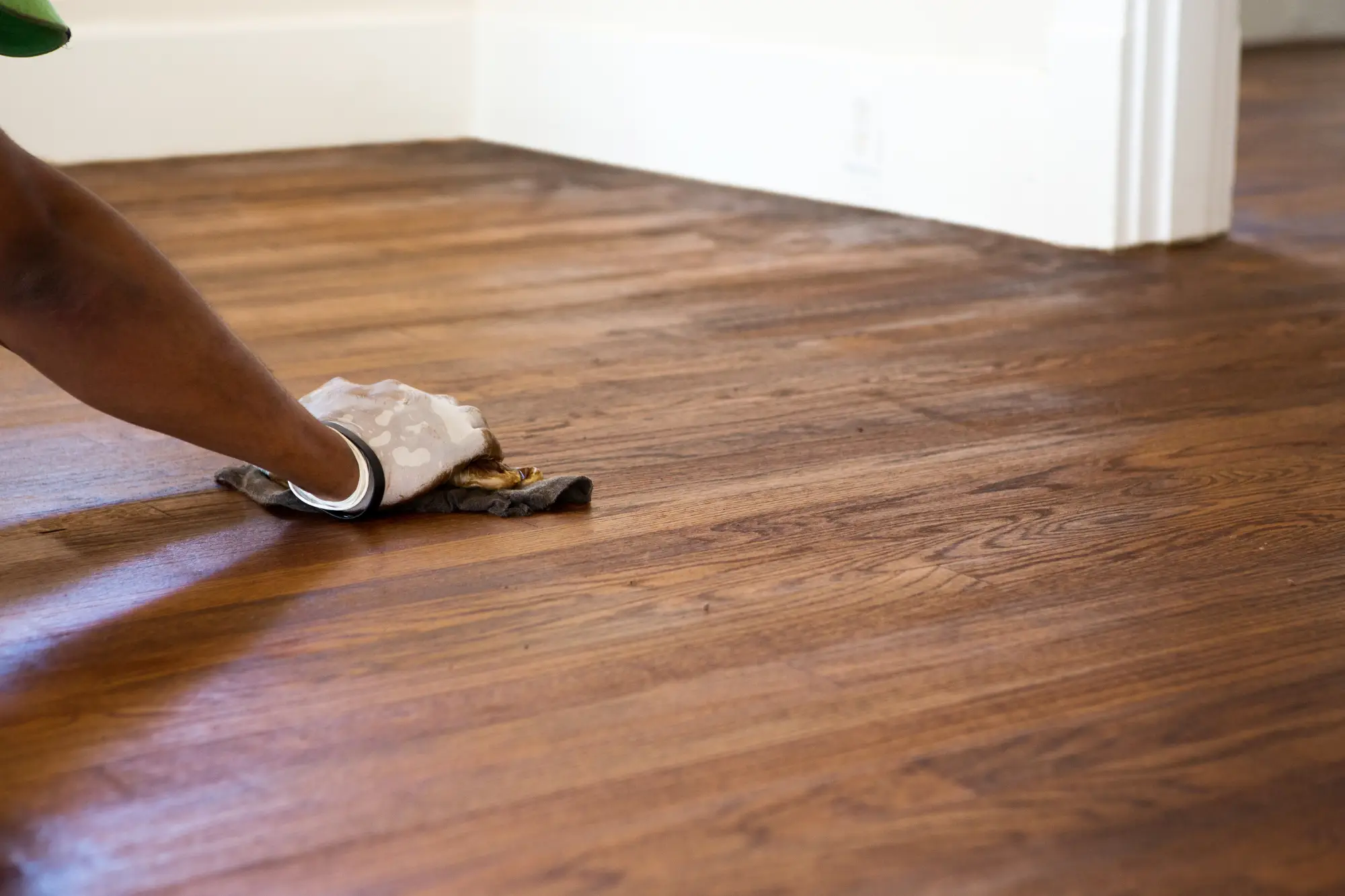
Chemical spills happen in industrial facilities – acids, solvents, cleaning chemicals, production materials. Chemical-resistant flooring prevents damage and makes cleanup easier while providing slip resistance for safety.
Chemical resistance depends on what you’re dealing with – mild chemicals need basic epoxy systems, severe exposure needs vinyl ester or novolac systems. Non-slip additives for wet areas, ramps, and areas where spills are common.
Data centers need access to cables and cooling systems under the floor. Raised access flooring creates a plenum for air distribution and cable management while providing a finished walking surface above.
Access flooring systems include pedestal grid support, floor panels, edge trims, ramps for equipment access. Load ratings for server racks and UPS equipment. Fire-rated panels where codes require it. Anti-static properties for electronics protection.
Installation requires precise leveling – small height differences cause problems with server racks. Cable management systems integrated with flooring. Grounding connections for ESD protection. Access panels marked for quick identification during maintenance.
Maintenance includes keeping the plenum space clean, checking pedestal stability, replacing damaged panels. Modifications for new equipment installations. Load testing when adding heavy equipment.
Food processing facilities need floors that meet health department requirements – smooth surfaces that clean easily, resist bacteria growth, handle cleaning chemicals and hot wash-downs.
Hygienic flooring systems include seamless epoxy or polyurethane systems with cove base to eliminate corners where bacteria hide. Non-porous surfaces that don’t absorb moisture or food particles. Chemical resistance to cleaning and sanitizing chemicals.
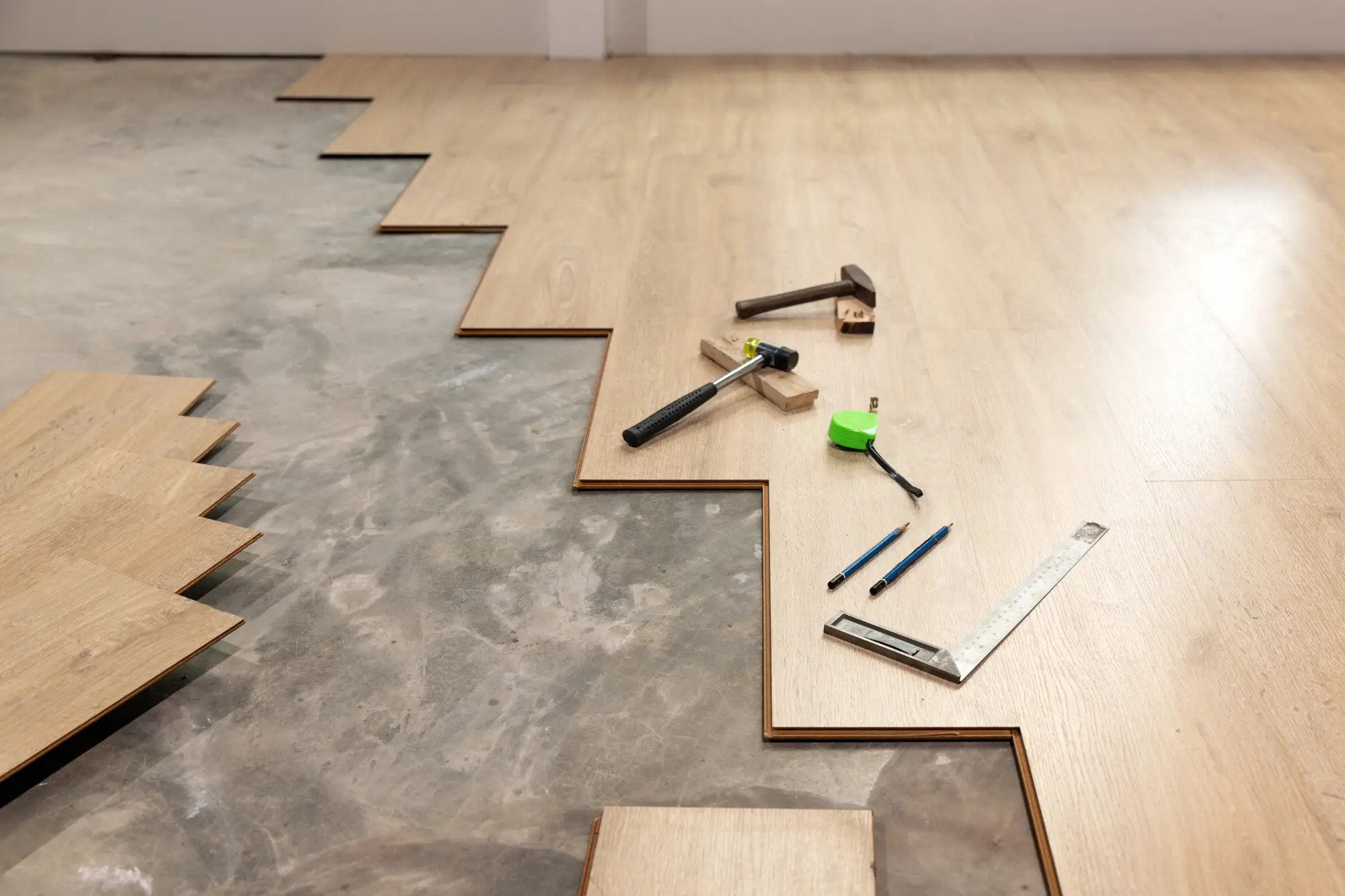
Installation requires eliminating all cracks and joints where contamination can hide. Smooth transitions to walls and drains. Slip resistance where needed but easy cleaning. Special primers for adhesion to damp concrete are common in food facilities.
Drainage integration with proper slopes to floor drains. Repair procedures that maintain seamless properties. Regular inspection and maintenance to keep health department approvals.
Loading docks take serious abuse – trucks backing into them, forklifts dropping loads, hydraulic fluid leaks, freeze-thaw cycles from refrigerated trucks. Warehouse floors get worn out from constant forklift traffic and pallet storage.
Repair work includes concrete crack repair, joint sealing, surface overlays for worn areas, and pothole patching. Impact damage from dropped loads, spalling around expansion joints, wear patterns in traffic lanes.
Materials selection for durability – some repairs need to handle immediate heavy traffic, others can cure slowly for better long-term performance. Color matching for appearance is where needed. Non-slip additives for ramp areas.
Preventive repairs cost less than waiting for major failures. Joint sealing prevents water intrusion and freeze damage. Surface hardeners extend the life of existing floors. Traffic pattern analysis to identify problem areas before they fail.
Industrial facilities need proper drainage for washdown, spill containment, and general water management. Floor drainage systems integrated with flooring installation for proper slopes and waterproofing.
Drainage design includes floor slopes to drains, trench drains for large areas, sump pits for equipment, and oil-water separators where required. Waterproofing systems under flooring in wet areas. Expansion joint sealing at drain connections.
Installation coordination with plumbing trades for drain placement and connections. Flooring systems compatible with waterproofing membranes. Proper slopes that actually work – not just what looks good on drawings.
Maintenance access for drain cleaning, grease trap service, sump pump repair. Inspection ports where needed. Documentation of drainage systems for future reference.
Concrete floors have joints that need sealing to prevent water intrusion, chemical penetration, and foreign object infiltration. Joint sealing systems that handle movement and maintain waterproof seals.
Joint sealing materials include polyurethane sealants for moderate movement, silicone for high movement, and structural glazing compounds for heavy traffic. Different materials for different joint types and exposure conditions.
Installation requires proper joint preparation – cleaning out old sealant, surface prep for adhesion, and correct sealant thickness and shape. Application during proper weather conditions. Tooling for proper finish and adhesion.
Maintenance programs for inspection and replacement of failed sealants. Different joints have different service lives. Documentation of joint locations and sealant types for future reference.
All flooring installations include proper surface preparation, quality control testing, and warranty coverage. Emergency repairs are available for safety-critical areas. Call +971 2 5557842 for projects in Musaffah and all Abu Dhabi industrial areas.