Industrial carpentry here ain’t like building kitchen cabinets – we’re talking about heavy-duty frames that hold up multi-ton equipment, control rooms that house expensive electronics, and safety barriers that might save someone’s life. Been doing carpentry work in Musaffah since the 80s, when most of these facilities were just starting to get built.
The heat here warps regular wood fast, humidity makes joints come apart, and industrial equipment puts loads on structures that residential carpenters never deal with. We learned which materials survive – engineered lumber that doesn’t move around, metal reinforcement where needed, and finishes that protect against the environment.
Most carpentry contractors think they can just use standard residential techniques and materials. Then they wonder why their work falls apart after a few months when equipment starts vibrating, temperatures cycle up and down, or workers start using it harder than expected. We build stuff that lasts in real industrial conditions.
Industrial equipment needs solid foundations – pumps, compressors, generators, processing equipment. The vibration from this stuff will destroy weak mounting systems pretty quick. We build frames and skids that actually hold up to continuous operation and the loads these machines put out.
Equipment mounting includes calculating load requirements, designing for vibration isolation, and using proper fasteners that won’t loosen up. Steel reinforcement where needed, proper bearing surfaces, access for maintenance. Different approaches for different equipment – pumps need vibration dampening, generators need seismic restraints, and compressors need thermal expansion allowance.
Skid construction for portable equipment includes proper lifting points, drain systems for washdown, weatherproofing for outdoor storage. Treated lumber for ground contact, corrosion-resistant hardware, and proper spacing for forklift handling. Emergency equipment skids that can be moved quickly when needed.
Installation includes foundation preparation, proper leveling and shimming, and alignment with driven equipment. Anchor bolt templates, grout pads where needed, electrical and piping connections. Vibration testing after startup to verify mounting is working properly.
Control rooms house expensive electronics and need to protect operators from industrial noise and hazards. Office fit-outs within industrial facilities need to look professional while handling the dust, vibration, and temperature changes that come with being in an industrial environment.
Control room construction includes proper insulation for sound and temperature control, raised flooring for cable management, climate control integration, and windows that resist impacts. Equipment racks, operator stations, and communication systems mounting. Emergency exits and safety systems integration.
Office construction includes partition systems that handle vibration, ceiling systems for HVAC integration, and flooring that’s comfortable but durable. Sound control between offices and production areas, lighting that works with existing facility systems. Power and data distribution for modern office equipment.
Fit-out work includes furniture installation, storage systems, conference rooms, and break areas. Coordination with electrical and HVAC trades, telecommunications installation, security system integration. Move-in coordination to minimize disruption to ongoing operations.
Industrial storage needs to handle heavy loads, resist impacts from forklifts, and organize materials so workers can find what they need. Different storage for different materials – chemicals need secondary containment, parts need organization systems, raw materials need bulk storage.
Heavy-duty shelving includes calculating load capacities for actual stored materials, designing for seismic loads where required, and using materials that resist corrosion and impacts. Steel construction for heavy loads, adjustable systems for changing needs, proper anchoring to prevent tip-over.
Parts storage systems include bin storage for small parts, drawer systems for tools, and rack systems for long materials. Labeling systems, inventory control integration, security for valuable items. Climate control considerations for sensitive materials.
Installation includes proper floor preparation, leveling and anchoring, safety features like back stops and side rails. Integration with material handling equipment, aisle spacing for forklifts, lighting for visibility. Regular inspection and maintenance to keep systems safe.
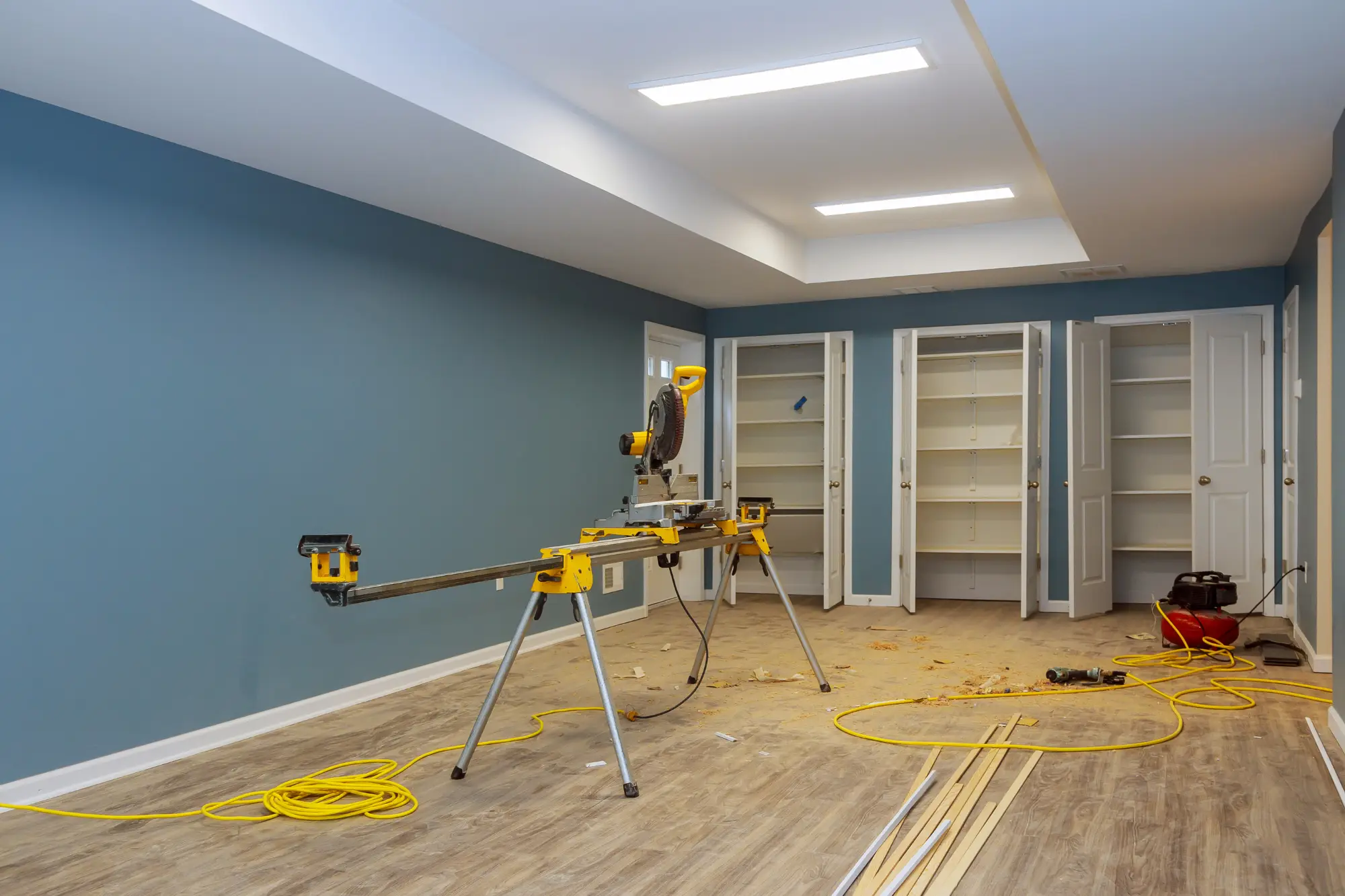
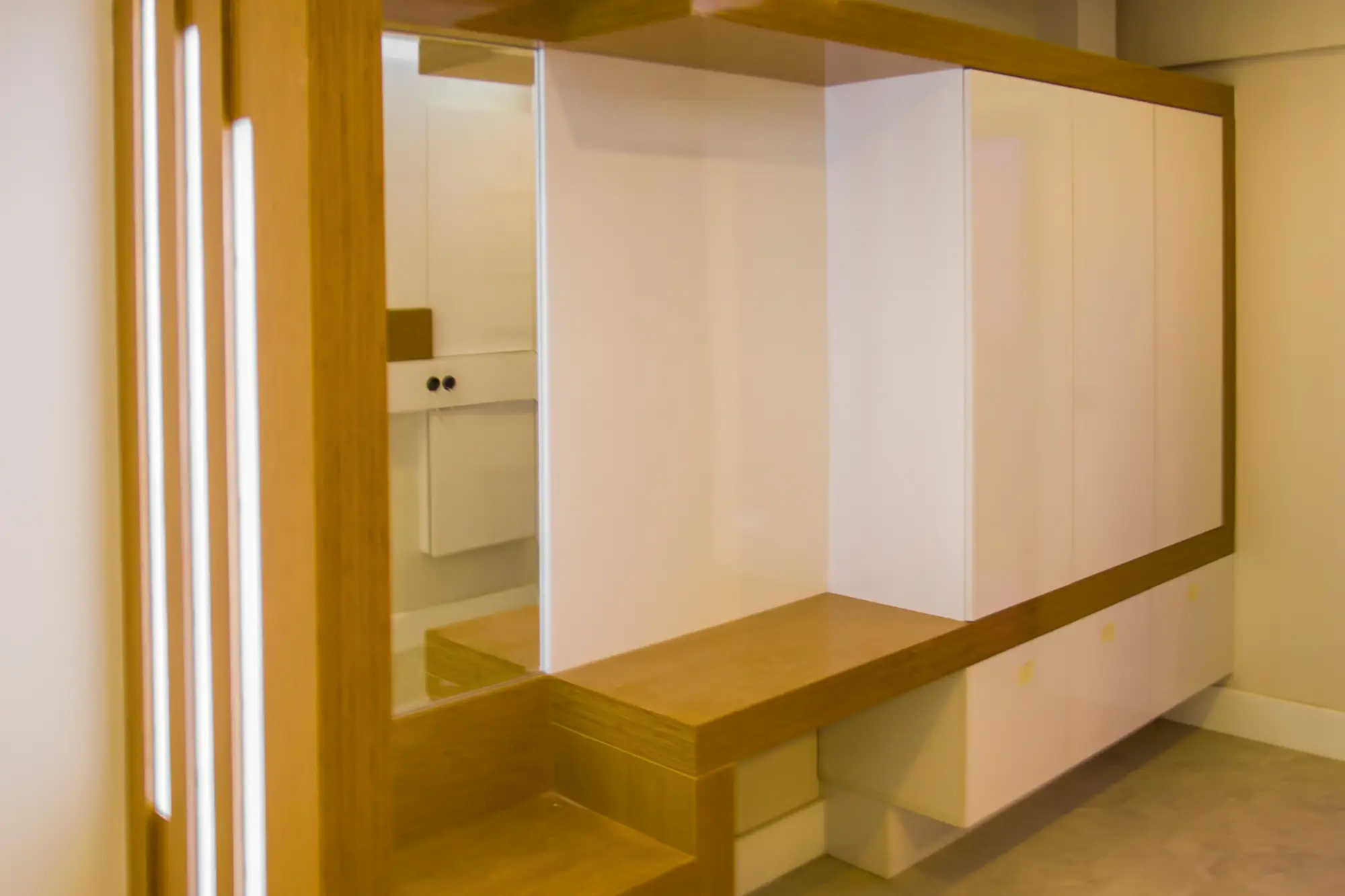
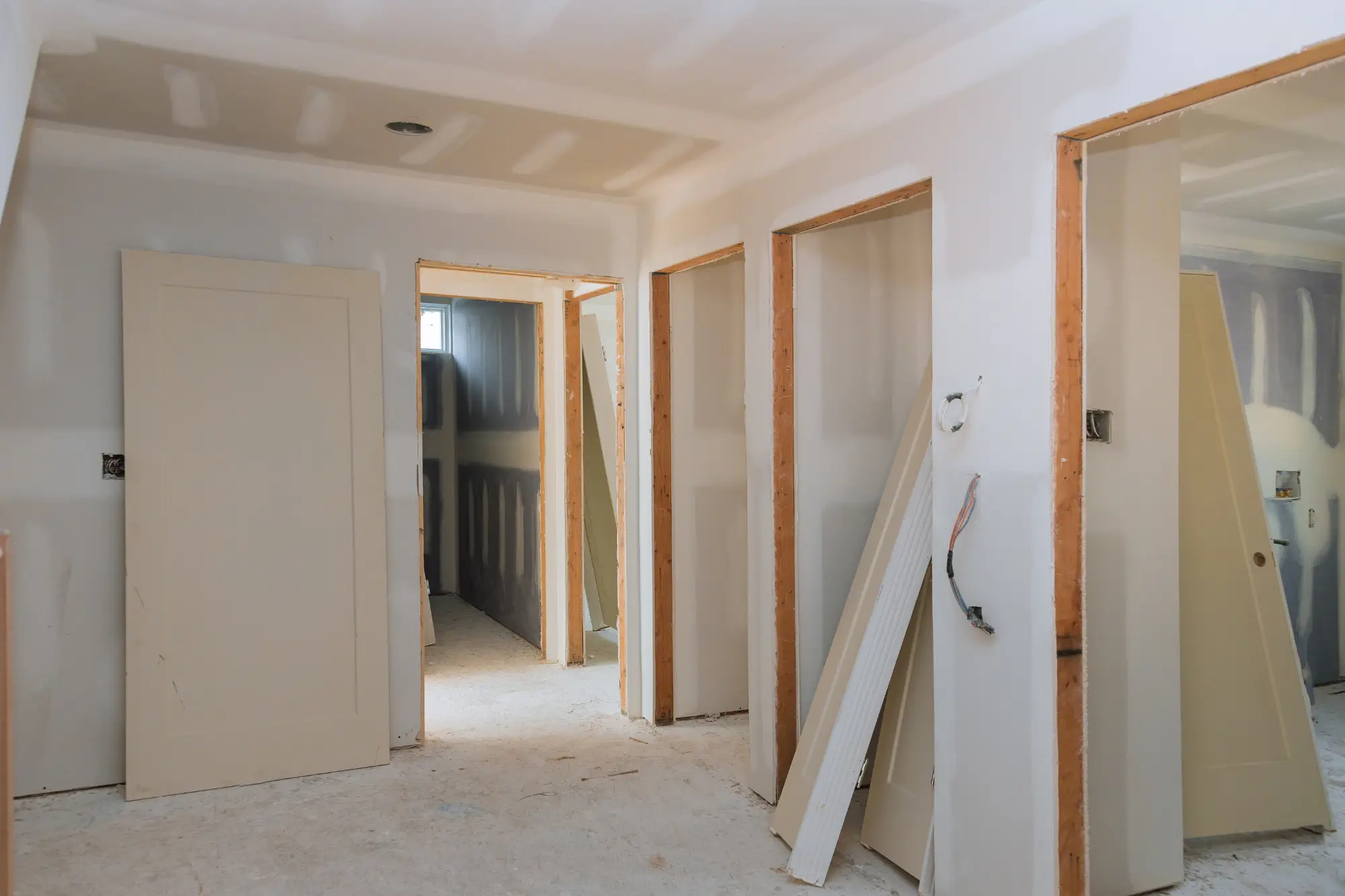
Machine guards protect workers from moving parts, hot surfaces, and electrical hazards. Safety barriers control traffic flow and protect pedestrians from vehicle areas. OSHA requires specific types of guarding for different hazards – we build systems that actually meet the requirements.
Machine guarding includes understanding the specific hazards each machine presents, designing guards that protect without interfering with operation, and using materials that resist the operating environment. Removable guards for maintenance access, interlocked guards for automatic protection, and fixed guards for permanent protection.
Safety barriers include vehicle barriers for loading docks, pedestrian barriers for walkways, and equipment barriers for high-voltage areas. Height and strength requirements from safety codes, visibility requirements, and gate systems for access. Impact resistance for areas with vehicle traffic.
Installation includes proper anchoring for the loads barriers might see, integration with existing safety systems, marking and signage. Regular inspection and maintenance to keep protection systems working properly.
Industrial equipment is loud – compressors, generators, pumps, processing equipment. Acoustic enclosures reduce noise levels to protect workers and meet local noise regulations. Different approaches for different noise sources and reduction requirements.
Acoustic design includes measuring existing noise levels, calculating required noise reduction, selecting materials for sound absorption and transmission loss. Ventilation requirements for heat removal, access requirements for maintenance, and structural requirements for equipment loads.
Construction includes sound-absorbing materials on interior surfaces, mass-loaded barriers for transmission loss, and proper sealing to prevent sound leaks. Acoustic doors and windows where needed, ventilation systems that don’t compromise sound reduction.
Installation includes proper foundation isolation to prevent vibration transmission, integration with equipment mounting systems, and testing to verify noise reduction performance. Maintenance access that doesn’t compromise acoustic performance.
Equipment shipped overseas needs proper crating to prevent damage during handling and transport. Different requirements for different shipping methods – ocean freight, air freight, and road transport. International shipping regulations and customs requirements.
Crating design includes calculating equipment weights and dimensions, designing for shipping loads and impacts, and using materials that meet international shipping requirements. ISPM-15 treatment for wood crating, moisture barriers for ocean shipping, and shock absorption for sensitive equipment.
Construction includes proper bracing and blocking to prevent movement, access points for customs inspection, marking, and documentation requirements. Materials selection for strength and weight optimization, hardware that won’t corrode during transport.
Export documentation includes bills of materials, weight calculations, center of gravity information, and lifting instructions. Coordination with freight forwarders, customs brokers, insurance requirements.
Industrial facilities often need office space that can be reconfigured as operations change. Modular construction allows offices to be moved, expanded, or reconfigured without major construction projects. Different from permanent construction in materials and methods.
Modular design includes standard panel sizes for flexibility, connection systems that can be disassembled and reused, and utilities distribution that can be reconfigured. Sound control between office and production areas, climate control integration, fire safety compliance.
Construction includes lightweight framing systems, demountable partitions, modular ceiling systems, raised flooring for utilities. Pre-fabricated components where possible, standard connections for easy assembly, and materials that handle repeated assembly and disassembly.
Installation includes coordination with existing facility systems, temporary construction during installation, and minimal disruption to ongoing operations. Documentation for future reconfigurations, spare parts inventory for modifications.
Industrial conveyors need proper support structures to handle loads, maintain alignment, and provide access for maintenance. Different requirements for different conveyor types – belt conveyors, roller conveyors, chain conveyors, specialty systems.
Structural design includes calculating conveyor loads, designing for dynamic loads from moving equipment, and providing proper support spacing for conveyor alignment. Access platforms for maintenance, safety systems for worker protection, and integration with existing facility structure.
Construction includes steel framing for heavy loads, proper connections for load transfer, and expansion joints for thermal movement. Platform systems with proper railings, non-slip surfaces, drainage for washdown areas.
Installation includes proper foundation systems, alignment procedures for conveyor installation, and integration with existing facility systems. Testing to verify structural performance, maintenance access verification, and safety system testing.
All carpentry work includes proper material selection for industrial environments, structural calculations where needed, and compliance with safety codes. Emergency repairs are available for safety-critical systems. Call +971 2 5557842 for carpentry projects in Musaffah and all Abu Dhabi industrial areas.